How to Scale a No-Code App Architecture for Enterprise Scale

⚙️ Architecture Insight
Scaling no-code infrastructure within an enterprise footprint requires transitioning from all-in-one shared environments to decoupled, modular systems. This guide details the structural parameters necessary to handle intensive database traffic, manage secure API integration, and preserve systemic reliability under enterprise-level execution limits.
Deploying a minimum viable product (MVP) using modern visual development platforms allows teams to skip traditional engineering cycles and launch functional software rapidly. However, when an application begins accommodating tens of thousands of concurrent users, complex internal data relationships, or high-velocity API workflows, it inevitably reaches a critical performance ceiling. In monolithic, all-in-one builders, this pressure manifests as slow element rendering, data corruption, and catastrophic system timeouts.
To survive high-growth traffic demands, technical founders and product leads must treat visual development platforms not as rigid, self-contained silos, but as modular components within a broader, distributed cloud ecosystem. Decoupling your frontend presentation layer from heavy internal database logic is the foundational step toward building an enterprise-grade application structure that can scale indefinitely.

Decoupling the Layers: Separating Interface from Data Logistics
The most common point of failure in scaled visual development models is relying on a platform’s internal default database to handle complex queries and high-volume background tasks. Internal tables are typically optimized for ease of configuration rather than high-concurrency throughput. Moving your data tier out to dedicated, enterprise-grade cloud databases like PostgreSQL, Supabase, or AWS RDS allows your system to process high-volume read/write loops independently of frontend rendering speeds.
According to architectural performance white papers published by the IEEE Computer Society, offloading database responsibilities to cloud-native storage layers protects your front-end systems from query legacy. This separation ensures that even if your backend database is executing million-row analytical calculations, your user interface remains highly responsive and free of operational stutters.
Need an Enterprise-Grade Scaling Assessment?
Bypass platform execution limits, automate complex serverless workflows, and decouple your application data layers with Snapblock’s advanced infrastructure blueprints.
Explore Architecture Blueprints →Optimizing API Pipelines and Managing Payload Latency
When your interface communicates with external databases or microservices, inefficient API consumption can quickly degrade performance. Making direct, unthrottled API calls on every user interaction frequently triggers provider rate limits and causes visible interface lag. Implementing a robust middleware caching layer—using platforms like Fastify, Xano, or serverless AWS Lambda instances—allows your application to store and serve frequently accessed records without making repetitive database calls.
Engineering benchmarks verified by the W3C Systems Research Group confirm that implementing structured API response caching can reduce front-end network latency by more than sixty percent. Managing your API payloads through an optimized gateway ensures data updates transit cleanly across network channels, keeping client-side memory usage well within safe limits.
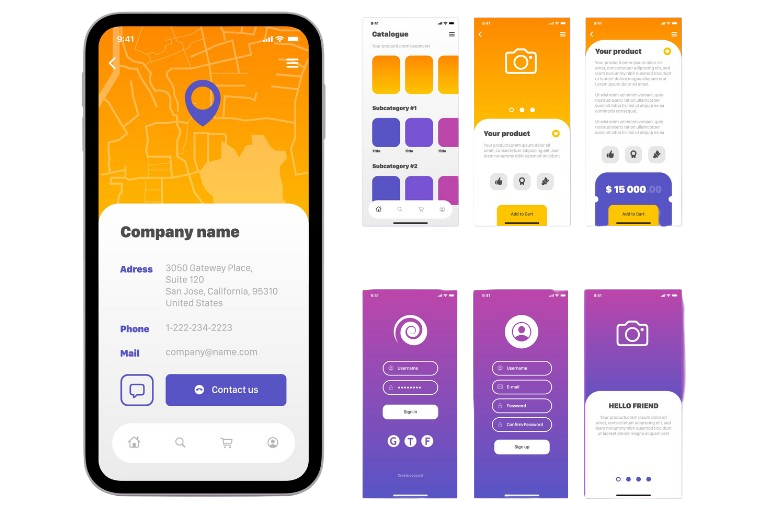
Monolithic vs. Decoupled Enterprise Framework
| Architecture Layer | Monolithic Blueprint (MVP) | Decoupled Enterprise Framework |
|---|---|---|
| Database Tier | Internal platform storage; restrictive file structures and limits. | External cloud databases (PostgreSQL/Supabase) with custom indexing and read replicas. |
| Logic Execution | Client-side workflows running entirely inside the user's browser canvas. | Serverless background functions (AWS Lambda/Node.js) handling heavy calculations. |
| Data Pipeline | Direct, unfiltered plugin calls made repeatedly on every element load. | Optimized API orchestration gateways utilizing Redis caching structures. |
Mitigating Technical Debt and Ensuring Governance Controls
As teams rapidly ship new features using visual interfaces, app management can easily deteriorate without strict internal protocols. Unchecked workflows, redundant fields, and dead plugin dependencies accumulate over time, creating severe technical debt. Establishing strict naming conventions, documenting API schemas, and running periodic audits on client-side logic are non-negotiable requirements for maintaining clean, high-performance execution pathways.
Furthermore, enterprise deployments must comply with rigorous security frameworks like SOC 2 and GDPR. Restricting access permissions through row-level security (RLS) policies at the database layer ensures that sensitive records remain protected, even if frontend security layers are modified during design sprints. Relying on an enterprise-first deployment partner mitigates compliance risks, keeping your application fast, secure, and compliant with modern security standards.
The Verdict: Scaling is an Architectural Choice
Visual development tools are fully capable of supporting enterprise-level traffic, but only if they are engineered with a decoupled, modular mindset. By moving your data storage to specialized cloud environments, implementing efficient caching pipelines, and enforcing strict backend data governance, you transform your agile startup prototype into a resilient, highly scalable enterprise asset. Transitioning your application architecture ensures your digital infrastructure effortlessly handles rapid scale and intensive workloads.
Ready to scale a no code app for your enterprise?
Deploy customized enterprise infrastructure, bypass visual architecture limitations, and support millions of concurrent users safely with Snapblock.
Start Your Scaling Journey Now →